





Tombs of the Seven Saints
Tombs of the Seven Saints
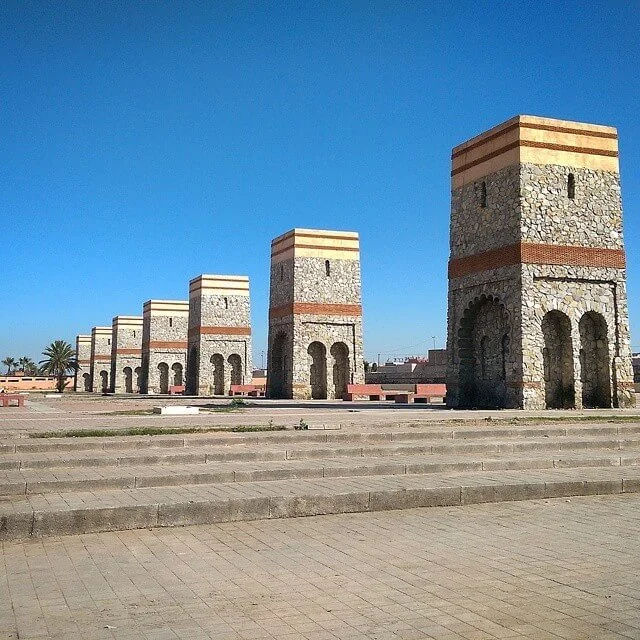
About this place
The Tombs of the Seven Saints represent one of the most important expressions of Moroccan Sufi spirituality and sacred geography. The tradition of the Seven Saints — known as the Sab'atu Rijal or "Seven Men" — was formalized in the late 17th century by Sultan Moulay Ismail, who charged the influential Sufi master Abu Ali al-Hasan al-Yusi with establishing an official pilgrimage circuit. The sultan's motivation was both spiritual and political: he sought to channel popular religious devotion through state-sanctioned channels and to counter the influence of a rival pilgrimage to the Seven Saints of the Regraga Berber tribe near Essaouira. The seven saints themselves lived between the 12th and 16th centuries and represent diverse aspects of Moroccan Islamic piety — jurists, mystics, scholars, and patrons of charity. They include Sidi Bel Abbes al-Sabti, the most beloved patron saint of Marrakech who cared for the poor and blind; Qadi Iyyad, the great jurist from Ceuta; and Sidi Ben Sliman al-Jazuli, the Sufi master whose body was transferred to Marrakech by the Saadians in 1523. The traditional ziyara pilgrimage visits all seven tombs over seven days in a counterclockwise circuit around the city, mirroring the tawaf around the Kaaba. The Zawiya of Sidi Bel Abbes remains the most active, distributing food daily to the poor — a tradition of charity unbroken since the saint's lifetime. Marrakech is still known as "the city of the Seven Saints," and their tombs continue to shape the spiritual geography of the medina beneath its commercial and touristic surface.