





Café Hafa
Café Hafa
About this place
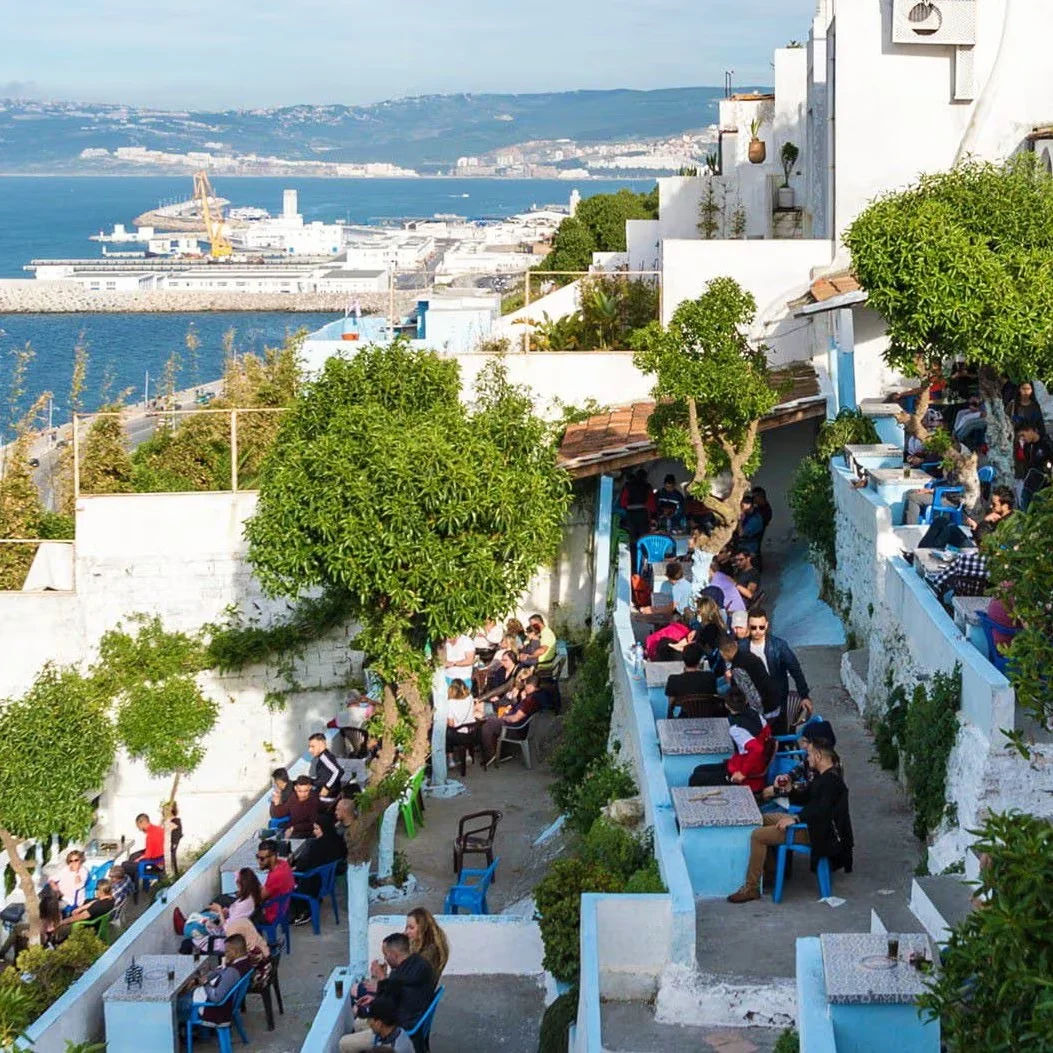
Café Hafa is the most legendary café in Tangier, an institution that has defined the city's bohemian identity for over a century. Founded in 1921 by Mhamed Alouch, a young man from Tangier who was passionate about cats, the café was originally conceived as a simple recreational spot for locals in the Marshan neighborhood, perched on a cliff with panoramic views of the Strait of Gibraltar. What Alouch could never have imagined was that his modest establishment would become the epicenter of Tangier's expatriate colony and a magnet for the greatest artists, writers, and musicians of the 20th century. During the International Zone era (1923–1956), when Tangier was a melting pot of nationalities and cultures operating outside the constraints of any single nation's laws, Café Hafa became an informal salon where intellectuals, diplomats, and bohemians mingled over mint tea. Its list of famous patrons reads like a who's who of modern culture: Paul Bowles, who set scenes from his novels here; William S. Burroughs, who wrote parts of "Naked Lunch" while sipping tea on its terraces; Tennessee Williams; Truman Capote; Allen Ginsberg; Jack Kerouac; Jean Genet; The Beatles; The Rolling Stones; and Sean Connery. The Spanish writer Juan Goytisolo immortalized the café in his novel "Count Julian," and the singer-songwriter Luis Eduardo Aute dedicated a song, "Hafa Café," to this Tangier icon. The café's name derives from a local cactus plant, and its multiple terraces descend the cliffside surrounded by jasmine and bougainvillea. Today, though the intellectual bohemia has largely faded, Café Hafa remains a rite of passage for visitors to Tangier, still overlooking the very point where the Mediterranean and Atlantic meet, with the lights of Tarifa visible across the water on clear evenings.